
4 Hidden Risks of Keeping Unstable Trees Near Your Home
Unstable trees can pose a myriad of risks to homeowners that are often overlooked. Understanding these risks is crucial for ensuring the safety and stability of your living environment. This article delves into the hidden dangers of keeping unstable trees near your residence and why proactive management is essential.
1. Personal Safety and Health Risks
Potential for Injury from Falling Branches
Unstable trees pose a significant risk of falling branches, which can lead to serious injuries for individuals nearby. In windy conditions or after a storm, weak branches may fall unpredictably, causing harm to unsuspecting people below. Children playing outdoors and adults tending to their gardens may find themselves in harm's way without prior warning. Besides causing injuries, falling branches can damage personal property such as cars, further escalating safety concerns. Regular inspection and professional assessment of tree stability can mitigate these risks effectively.
Obstructions during Emergency Situations
In emergencies, access and escape routes are vital for safety, and unstable trees can obstruct these critical paths. Overgrown branches and fallen trees can block driveways and pathways, complicating evacuation efforts during fires or medical emergencies. Emergency responders may face delays due to such obstructions, potentially affecting the outcome of rescue operations. Ensuring that trees near your home are stable and well-maintained can prevent such hazards and ensure swift access for emergency services when every second counts. Proactive pruning and removal of unstable trees can help maintain clear and accessible paths around the home.
Allergies and Respiratory Issues
Certain trees release pollen and other allergens that can exacerbate respiratory issues or trigger allergic reactions in sensitive individuals. Unstable or unhealthy trees may shed leaves and other debris more frequently, increasing the presence of allergens in the air. People with asthma or allergies may experience difficulty breathing, sneezing, or other aggravated symptoms due to the presence of these allergens. By removing or stabilizing problematic trees, homeowners can reduce the risk of worsening health conditions. Consultation with an arborist can help identify trees that are potential allergen sources and determine if tree removal services are necessary.
2. Structural Damage to Property
Damage to Roofing and Siding
Unstable trees near your home can cause serious damage to roofing and siding, particularly during severe weather. Branches that rub against the roof gradually wear down shingles and protective layers, increasing the risk of leaks and expensive repairs. When heavy limbs break, they can strike siding and create visible damage that may compromise your home's structure. According to Purdue Extension, planned tree pruning typically occurs within the first five years after planting, making early inspections and maintenance essential. Proactive trimming from tree removal services can help guide healthy growth, keep branches at a safe distance from your house, and reduce the likelihood of ongoing, costly exterior repairs.
Foundation and Pavement Disruption
The root systems of unstable trees can disrupt foundations and paved surfaces, leading to structural issues over time. As roots grow, they can lift and crack pavement, creating tripping hazards and unsightly damage that requires expensive fixes. The disturbance caused by roots can also affect the stability of foundations, potentially resulting in settlement issues or water infiltration. Regular monitoring of tree roots and strategic root pruning or tree removal services can help prevent such structural problems. A professional assessment can determine if tree roots pose a threat to your home's foundation and recommend the best course of action.
Damage to Utility Lines
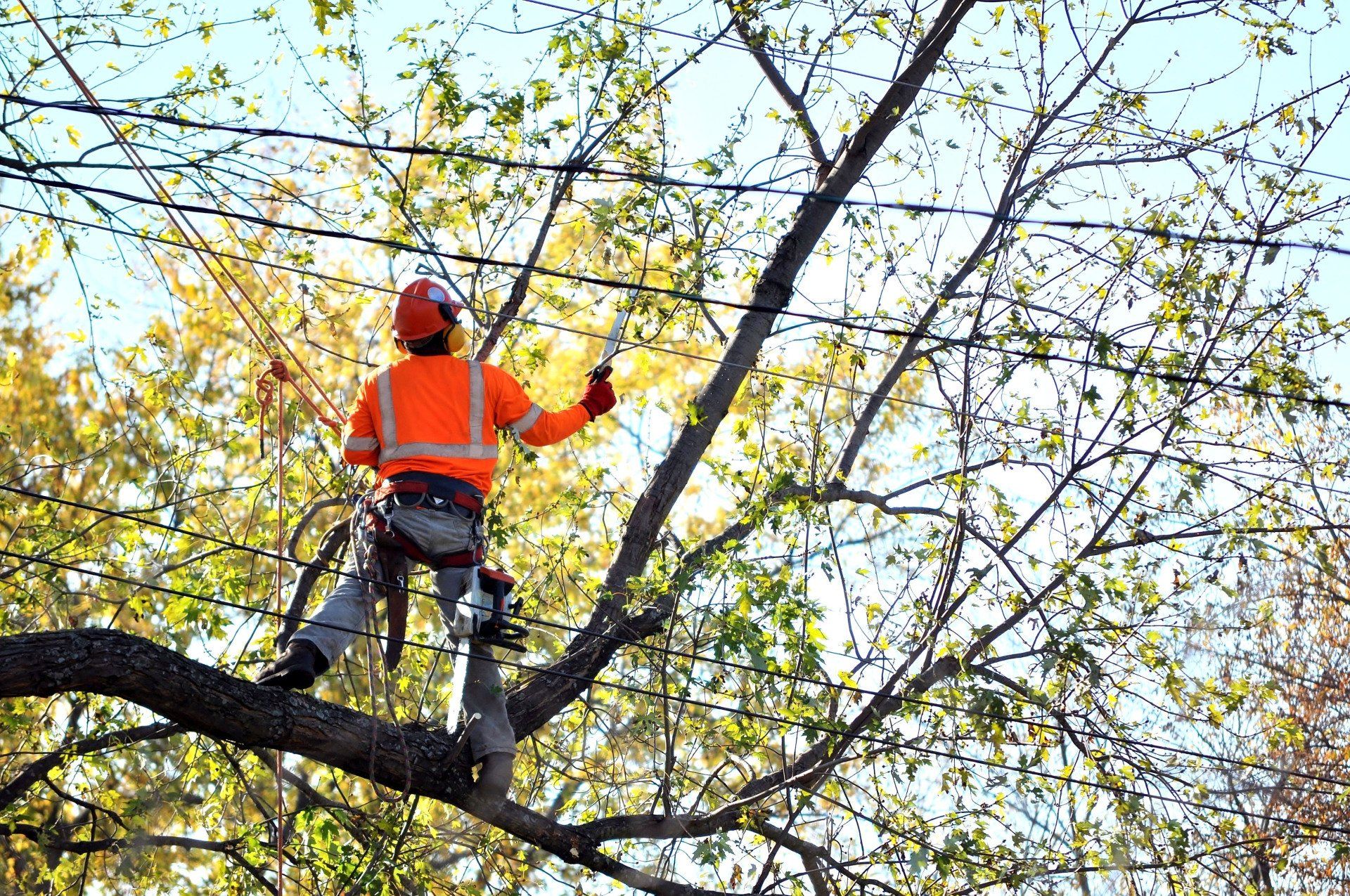
Branches from unstable trees can encroach on utility lines, causing disruptions in services such as electricity, internet, and cable. During storms, falling branches can sever or damage wires, leading to prolonged outages and dangerous situations. Regular trimming and clearance around utility lines are crucial to maintain uninterrupted services and ensure safety. Homeowners should be aware of the proximity of their trees to overhead lines and take necessary action to prevent contact. Collaboration with utility companies can ensure that tree maintenance adheres to safety protocols and prevents service disruptions.
3. Environmental and Ecological Impact
Disruption of Local Biodiversity
Unstable trees can alter local biodiversity by introducing unexpected changes to the ecosystem. As these trees deteriorate or fall, they affect habitat availability and alter food sources for local wildlife. This disruption can cause a ripple effect, influencing the population dynamics of various species within the environment. Preserving stable natural habitats requires tree removal services to maintain ecological balance and biodiversity. Engaging with ecological experts can aid in determining which trees can be conserved and which require intervention to protect the ecosystem.
Soil Erosion and Land Degradation
The removal or collapse of large trees can lead to soil erosion and land degradation, undermining landscape stability. Trees play a crucial role in holding soil in place; when unstable trees fall or are removed, the exposed soil becomes susceptible to erosion by wind and rain. Erosion not only affects the aesthetic appeal of landscapes but can also diminish the fertility and usability of the land. Incorporating strategies like planting new trees and ground cover can mitigate the negative impact of instability and promote land recovery. Coordinated land management efforts help sustain soil health and prevent degradation over time.
Waterway Obstruction from Debris
Fallen branches and trees can obstruct waterways, leading to issues such as flooding and habitat disruption. Debris may collect in streams and rivers, impeding natural flow and affecting aquatic life. Regularly clearing unstable trees reduces the risk of blockages, ensuring that waterways remain clear and functional. By preserving healthy trees and removing hazardous ones, homeowners and tree removal services contribute to maintaining local waterway health. These efforts can prevent the unintended ecological consequences and financial burdens caused by flooding and water management failures.
4. Aesthetic and Lifestyle Impact
Reduction in Natural Light
Excessive tree canopy and unstable growth can significantly reduce natural light within and around the home. A darkened environment may affect indoor ambiance and foster increased energy use as homeowners rely on artificial lighting. Pruning and stabilization efforts can help restore natural light, enhancing indoor comfort and visibility. An effective tree management strategy includes balancing aesthetics and functionality to meet homeowner preferences. Improved access to natural light benefits both the physical environment and overall well-being.
Disruption of Garden Spaces
Unstable trees may overshadow or encroach upon garden areas, affecting plant growth and visual appeal. Falling leaves, branches, and debris can suffocate plants and alter soil composition, hindering gardening efforts. Protecting garden spaces involves removing unsafe trees and managing their impact through strategic planting and maintenance. Collaborating with tree removal services can provide insights into optimizing garden layouts around existing trees. A balanced garden landscape supports biodiversity while enhancing property aesthetics.
Vital Cleanup Operations
Managing debris from unstable trees can involve active cleanup efforts, but proactive tree maintenance helps keep these activities efficient and infrequent. Regular care reduces the likelihood of fallen branches or damaged trees, allowing neighborhoods to maintain their calm, residential atmosphere. By focusing on prevention rather than emergency response, homeowners support a more consistent and comfortable living environment. Thoughtful tree management promotes community harmony by ensuring upkeep is handled with minimal disruption.
The dangers of retaining unstable trees near your home extend far beyond immediate physical threats, encompassing financial, environmental, and legal ramifications. Through awareness and preventative actions, homeowners can protect their properties and enhance their living spaces. Proactive management of tree health stands as a significant component of maintaining home safety and value. Be sure to contact Tree Scaping of Naples, Inc if you're looking for reliable tree removal services!
Share On: